 Photo: Amelia Tai
Apparel & technical textiles
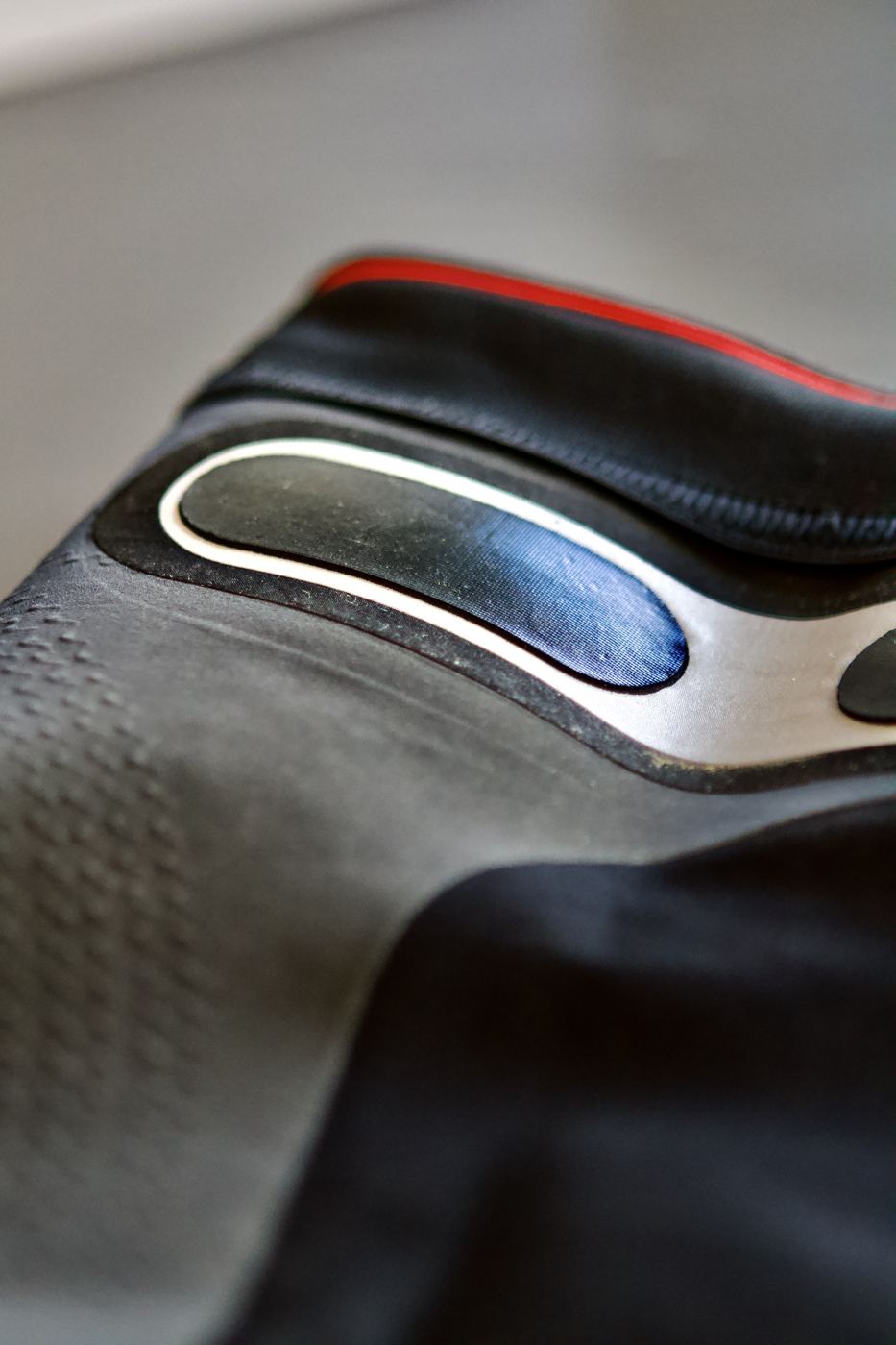
Bonded seams and panels that hold through wear and wash, then release for repair or recycling.

D-Glue bonds are built from reconfigurable networks — they hold under load and release on a single heat trigger, so the parts they hold can be repaired, reused, or recycled.
The reconfigurable-network chemistry at the core of the D-Glue platform holds the line between permanent and removable — the same bond, tuned for any application built on it.
The network is tuned to the joint, so bond strength and release temperature fit your application.
A single trigger — heat — releases the bond. Time and temperature are tunable.
Parts come apart ready to repair, reuse, or recycle. No prying.
Holds under load — until you don't want it to.
Apply like any adhesive. The reconfigurable network cures to full strength and holds under load.
The joint behaves as permanent through the entire service life, including temperature, vibration, and fatigue.
When you need it apart, apply heat. The network reconfigures and bond strength drops.
Separate by hand. Recover the parts you bonded for repair, rework, reuse, or end-of-life recycling.
Photo: Amelia TaiBonded seams and panels that hold through wear and wash, then release for repair or recycling.
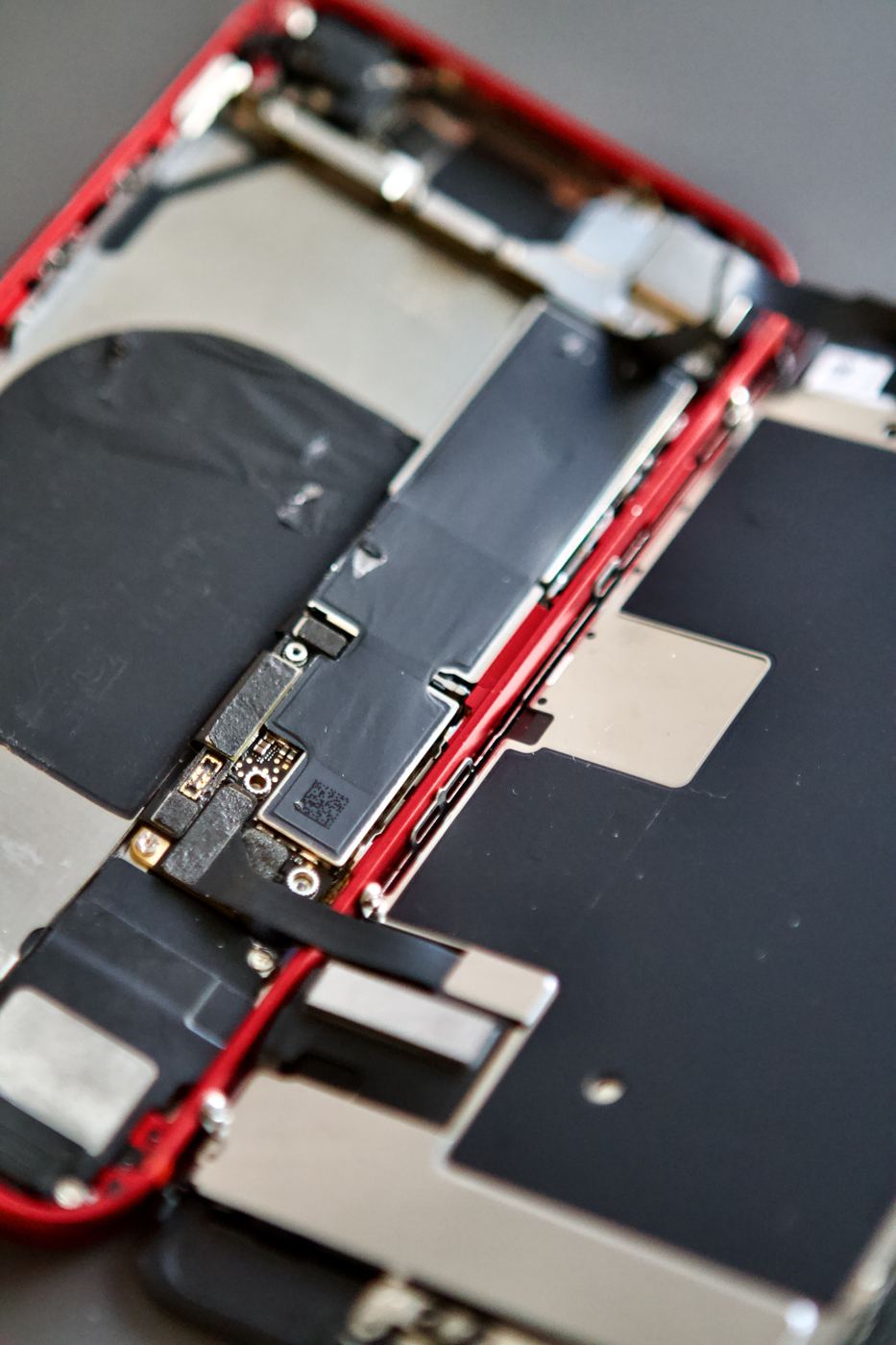 Photo: Amelia Tai
Batteries and modules that come out intact — designed for repairability and material recovery.
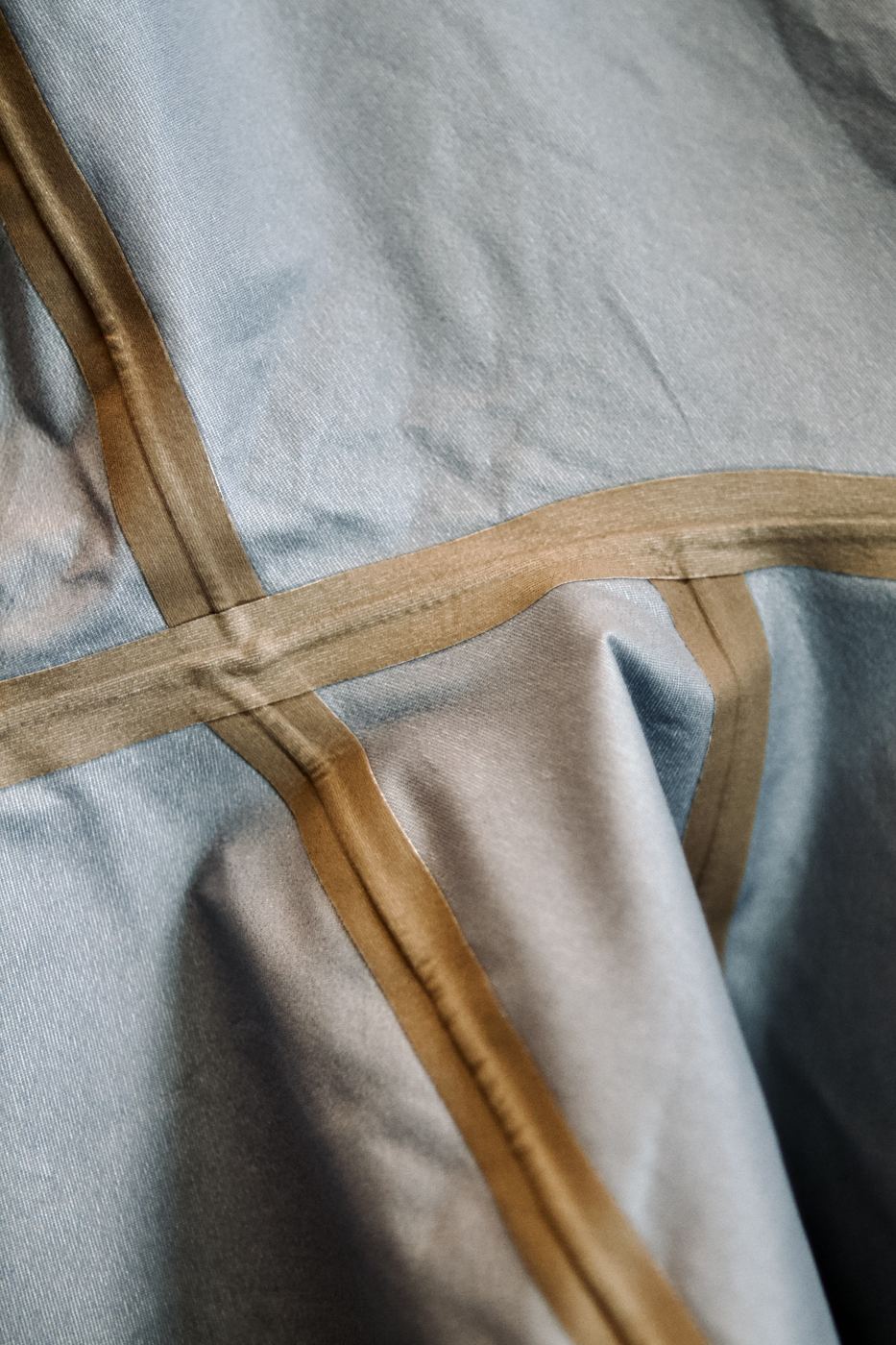 Photo: Amelia Tai
Bonds across mixed substrates, debondable on a heat trigger for rework and end-of-life.

D-Glue is a patented platform technology that makes adhesives debondable on demand. Heat the bond to about 150°C and it releases. The valuable parts it holds together can then be repaired, reused, or recycled instead of thrown away.
Glue makes products fast and cheap to assemble, but it also makes them hard to take apart. Batteries, electronics, apparel, and footwear are often discarded with valuable components still inside. D-Glue makes disassembly practical, so those parts can be recovered, repaired, and reused. Regulations such as the EU Battery Regulation and extended producer responsibility (EPR) rules are making this a requirement.
Earlier Diels-Alder adhesives used a single reversible bond that makes and breaks right in the temperature range of standard durability testing (for example, 85°C / 85% RH). The bonds creep and fail. D-Glue adds a second, high-temperature bond pair that acts as a "trapdoor." Bonds stay locked through normal use and testing, then release at a deliberate, higher debond temperature.
D-Glue releases by heat, well above the temperature the product will ever see in use. Heating and separation are also separate steps, so you can heat a batch and take parts apart afterward.
Processing and tacking happen at roughly 50–90°C, and bonding at about 100°C. Debonding is triggered at about 150°C. Debond time and temperature are tunable.
It depends on the formulation and the heat exposure. In peel testing, we have seen reductions from roughly 20% after a short heat exposure to 80–90% in some formulations. Results are formulation-specific, so we evaluate against your performance requirements.
Yes. The purpose of D-Glue is to recover the parts you bonded, such as battery cells, electronics, zippers, and trims. Heat releases the bond without damaging them, so they can be repaired or reused. The adhesive itself is a one-way system. Once debonded, it does not rebond, and it is considered disposable.
Failure happens within the adhesive, so residue remains on both surfaces. It breaks down into a low-molecular-weight material that is easy to remove. Depending on the resin, it can be rubbed off or cleaned with a little solvent.
Polyester fabric, aluminum, and polyester sheet, in film, two-part (2K), and glue-stick forms. Polyurethane is the most developed chemistry. Epoxy and acrylic systems are earlier-stage.
It's a platform. We modify existing formulations, using standard polyols and isocyanates, by adding D-Glue components during cure. You keep your supply chain and processing. You are not replacing your whole adhesive.
Cost depends on formulation and loading. D-Glue is positioned as a value-added feature for products where recovery, repair, or compliance matters, not as a commodity glue. Contact us to discuss your application.
D-Glue is a chemistry platform applied to your own formulation, so safety and regulatory status (REACH, RoHS, and so on) depend on the final formulation. We work with partners to evaluate compliance for each application.
EV and energy storage batteries, consumer electronics, apparel and footwear, technical textiles, PCB manufacturing, and renewable energy. It suits any application where valuable components are bonded in and recovery has value.
We work through joint development agreements, licensing, and feasibility or sample programs. D-Glue is a lab-stage company with an issued patent (US 11,820,926) and additional applications pending. We are looking for partners with formulation and manufacturing capability.
D-Glue is in lab and early pilot stage. We are evaluating samples with qualified partners. Contact us to discuss your application.
Still have a question?
Discuss your bonding problemTell us what you’re joining, what it has to hold through, and when it needs to come apart. We’ll work through it with you.